
From Malaysia to Korea: Bear Bear's Mitral Valve Repair
A Pomeranian with chordal rupture, severe multidirectional mitral regurgitation, and postoperative cardiac improvement
뉴하트동물심장수술센터
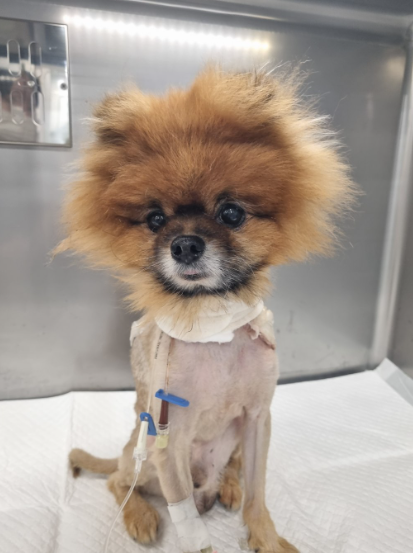
Bear Bear, a Pomeranian who traveled from Malaysia to NewHeart Animal Cardiac Surgery Center in Korea, underwent evaluation for advanced mitral valve disease. Preoperative echocardiography showed degenerative mitral valve changes, ruptured chordae tendineae, severe multidirectional mitral regurgitation (MR), left atrial enlargement, and Doppler findings suggestive of pulmonary hypertension.
Following mitral valve repair (MVR), echocardiography demonstrated improved leaflet coaptation with no clinically significant residual MR. The left atrial size and tricuspid regurgitation velocity also decreased.
This case review follows Bear Bear's journey across borders, from preoperative assessment to early postoperative findings, using the patient's original echocardiographic images and photographs.
01. From Malaysia to NewHeart — Cardiac Care Across Borders
Bear Bear traveled from Malaysia to Korea for cardiac surgery. International patients require careful planning not only for their cardiac assessment and surgery but also for travel, recovery, and continuity of care.
NewHeart strives to provide specialized cardiac surgery for patients and families from Korea and abroad. This case illustrates an early postoperative outcome achieved through cooperation between an international pet owner and a multidisciplinary surgical team.
02. Before Surgery — Chordal Rupture, Severe MR, and Left Atrial Enlargement
Preoperative echocardiography demonstrated degenerative mitral valve changes with ruptured chordae tendineae. Loss of normal leaflet support was associated with large, multidirectional regurgitant jets.
The left atrial-to-aortic ratio (LA/Ao) was 2.26, indicating left atrial enlargement. This finding may reflect chronic volume overload associated with severe mitral regurgitation.
The peak tricuspid regurgitation velocity (TR Vmax) was 3.40 m/s, corresponding to a measured pressure gradient of 46.26 mmHg, supporting suspicion of pulmonary hypertension. However, TR Vmax alone does not establish the exact pulmonary artery pressure or definitively grade pulmonary hypertension; it must be interpreted with the remainder of the echocardiographic and clinical findings.
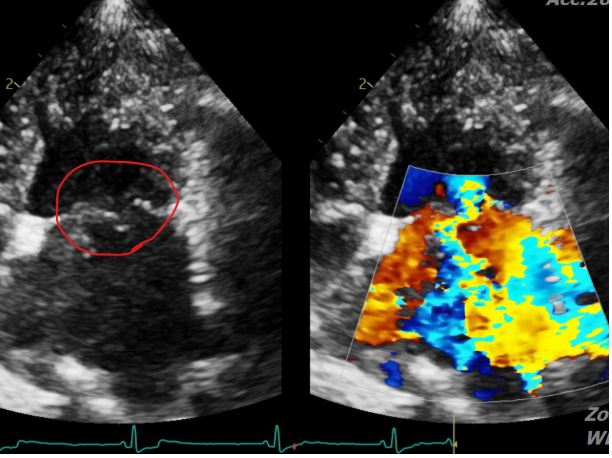
Figure 1. Preoperative echo: chordal rupture and severe multidirectional mitral regurgitation
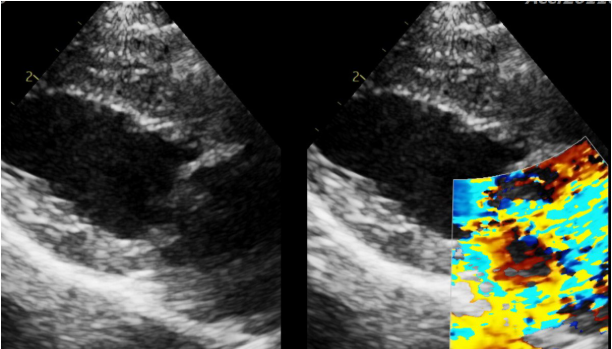
Figure 2. Additional preoperative view: mitral regurgitation and chordal pathology
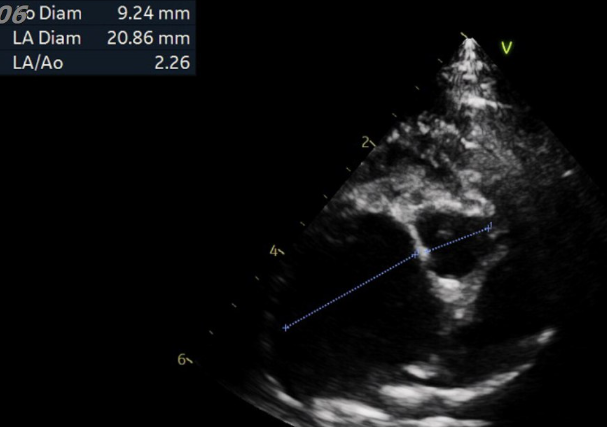
Figure 3. Preoperative left atrial size: LA/Ao 2.26
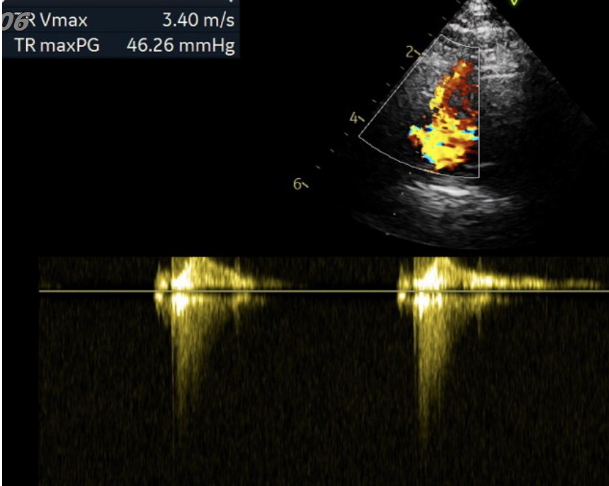
Figure 4. Preoperative tricuspid regurgitation velocity: TR Vmax 3.40 m/s
03. Mitral Valve Repair — Addressing the Structural Cause of Regurgitation
Bear Bear underwent mitral valve repair to restore effective mitral leaflet coaptation. Postoperative echocardiography demonstrated satisfactory leaflet coaptation with only trivial, clinically insignificant residual MR.
This was a marked improvement compared with the large multidirectional jets seen before surgery. Continued follow-up is still required to assess long-term repair durability and possible recurrent regurgitation.
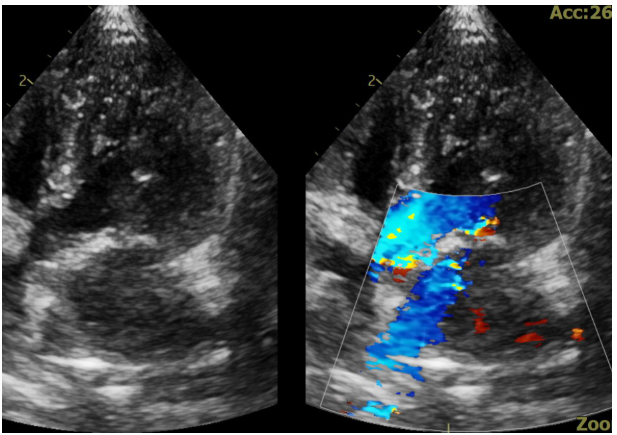
Figure 5. Postoperative echo: improved valve coaptation with trivial residual MR
04. Postoperative Findings — Improvement in Left Atrial Size and Pulmonary Hypertension Indicators
After MVR, LA/Ao decreased from 2.26 to 1.71, consistent with early reverse remodeling and reduced left atrial volume load following correction of mitral regurgitation.
TR Vmax decreased from 3.40 to 2.82 m/s, while the corresponding TR pressure gradient decreased from 46.26 to 31.90 mmHg. These findings indicate improvement in Doppler parameters associated with pulmonary hypertension, but they do not establish complete resolution of pulmonary hypertension.
Ongoing assessment of the repaired valve, left atrial and ventricular dimensions, right-heart structure, TR Vmax, and respiratory status remains important.
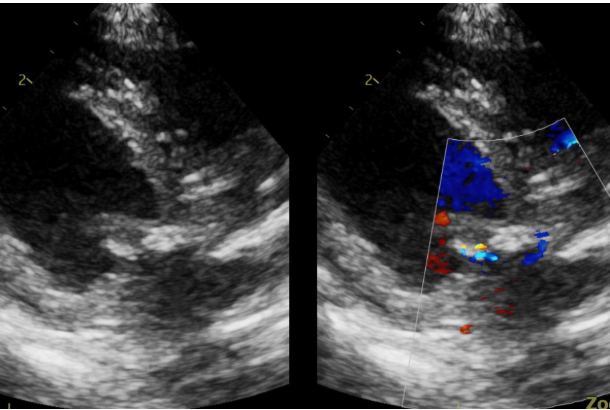
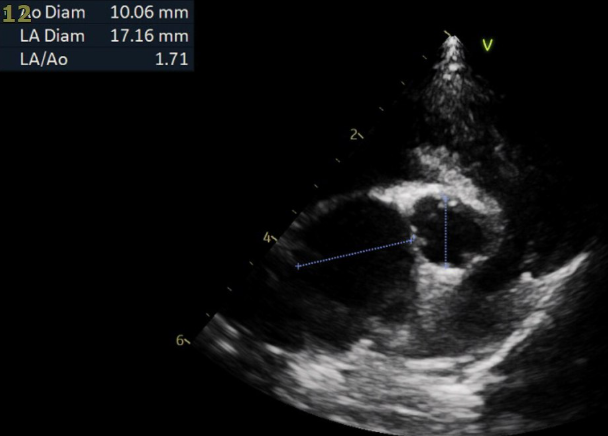
Figure 6. Postoperative left atrial size: LA/Ao 1.71
05. Bear Bear's Journey — NewHeart Welcomes International Patients
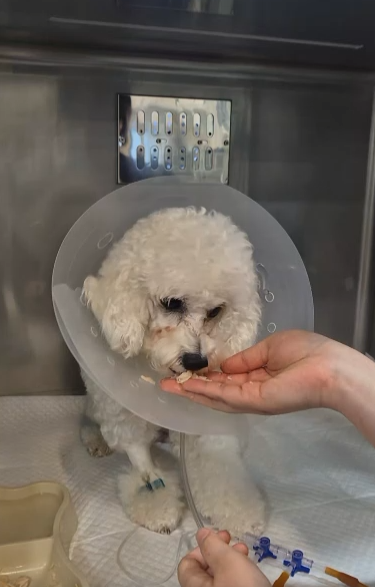
We are pleased to share photographs of Bear Bear during postoperative recovery. The family also kindly sent congratulatory flower arrangemen
ts to express their appreciation.
We hope Bear Bear can enjoy a healthy, comfortable life back home in Malaysia after this significant journey for cardiac treatment.
NewHeart Animal Cardiac Surgery Center remains committed to coordinated cardiac diagnostics, advanced surgical repair, cardiopulmonary bypass, and intensive postoperative care for patients traveling from Korea and overseas.
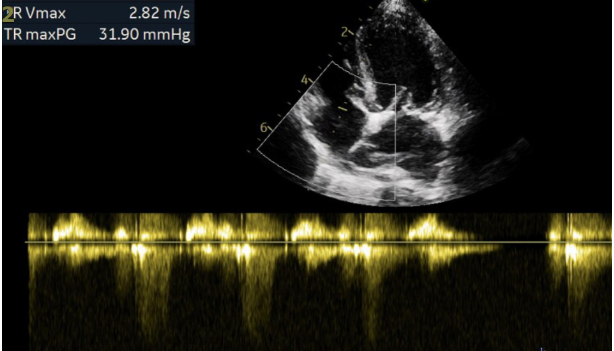
Figure 7. Postoperative TR Vmax 2.82 m/s
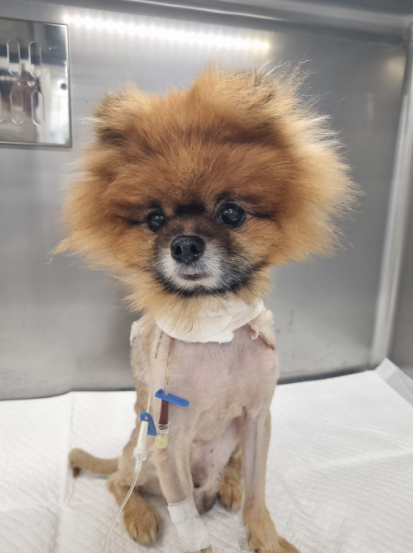
Figure 8. Bear Bear during postoperative recovery
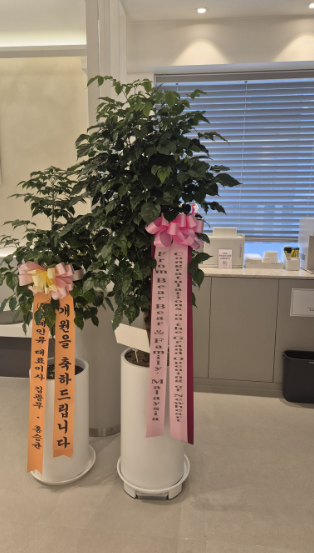
Figure 9. Flowers sent by the family in appreciation
This review describes an individual case and its early postoperative course. Long-term follow-up outcomes were not included in the source material, and similar results cannot be guaranteed for every patient.
NEWHART ANIMAL CARDIAC SURGERY CENTER
This article is general information and does not replace an individual diagnosis or treatment. If you are worried about your pet, please book a visit.