

Mitral valve repairWe repair the deformed valve and restore the heart's function
Open-heart surgery that treats mitral valve disease. Why it is needed, when to do it, and how it is performed.
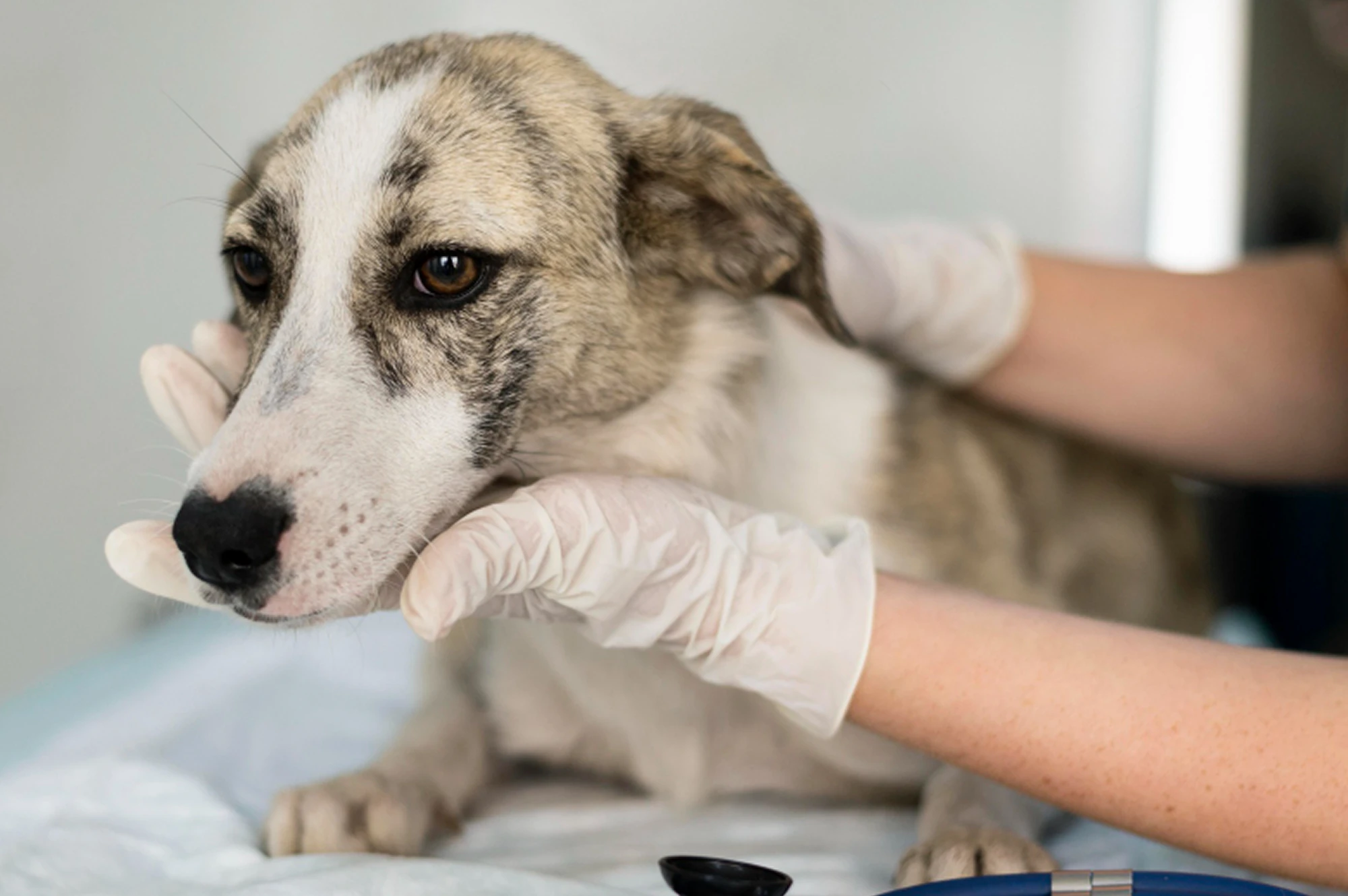
Why surgery is needed
It is a problem of structure, not of function
Mitral valve disease is a problem of structure, not of function. Medication can ease the signs when the heart is struggling and can extend survival. But it cannot fix structural problems such as a deformed valve or stretched or ruptured chordae.
A disease caused by a broken door inside the heart is resolved only by repairing the door. That is why human medicine concluded long ago that valve disease is not a disease to endure with medication but one to resolve by fixing the cause, and valve repair is the standard treatment to be considered before others.
Medication and surgery compared
They differ in purpose and outlook
Medical management is conservative treatment: it reduces the load on the heart, eases clinical signs and slows progression. Surgical treatment (mitral valve repair) is fundamental treatment: it restores the deformed valve and normalizes heart function. The two differ clearly in purpose and prognosis.
- Goal
- Medical managementRelief of signs and longer survival (conservative)
- Surgical mitral valve repairCorrection of the structural cause (fundamental)
- The heart
- Medical managementEnlargement worsens as the disease progresses
- Surgical mitral valve repairValve function restored, heart size normalized
- Medication
- Medical managementLifelong, with doses increasing over time
- Surgical mitral valve repairStopped or reduced
- Daily life
- Medical managementExercise restricted, breathing rate monitored continuously
- Surgical mitral valve repairWalks and exercise regained, back to daily life
- Long-term outlook
- Medical managementProgression to end-stage heart failure and death from complications
- Surgical mitral valve repairAims to slow heart disease and reduce the risks it brings
What the surgery does
We stop the heart, repair the valve, and start it again
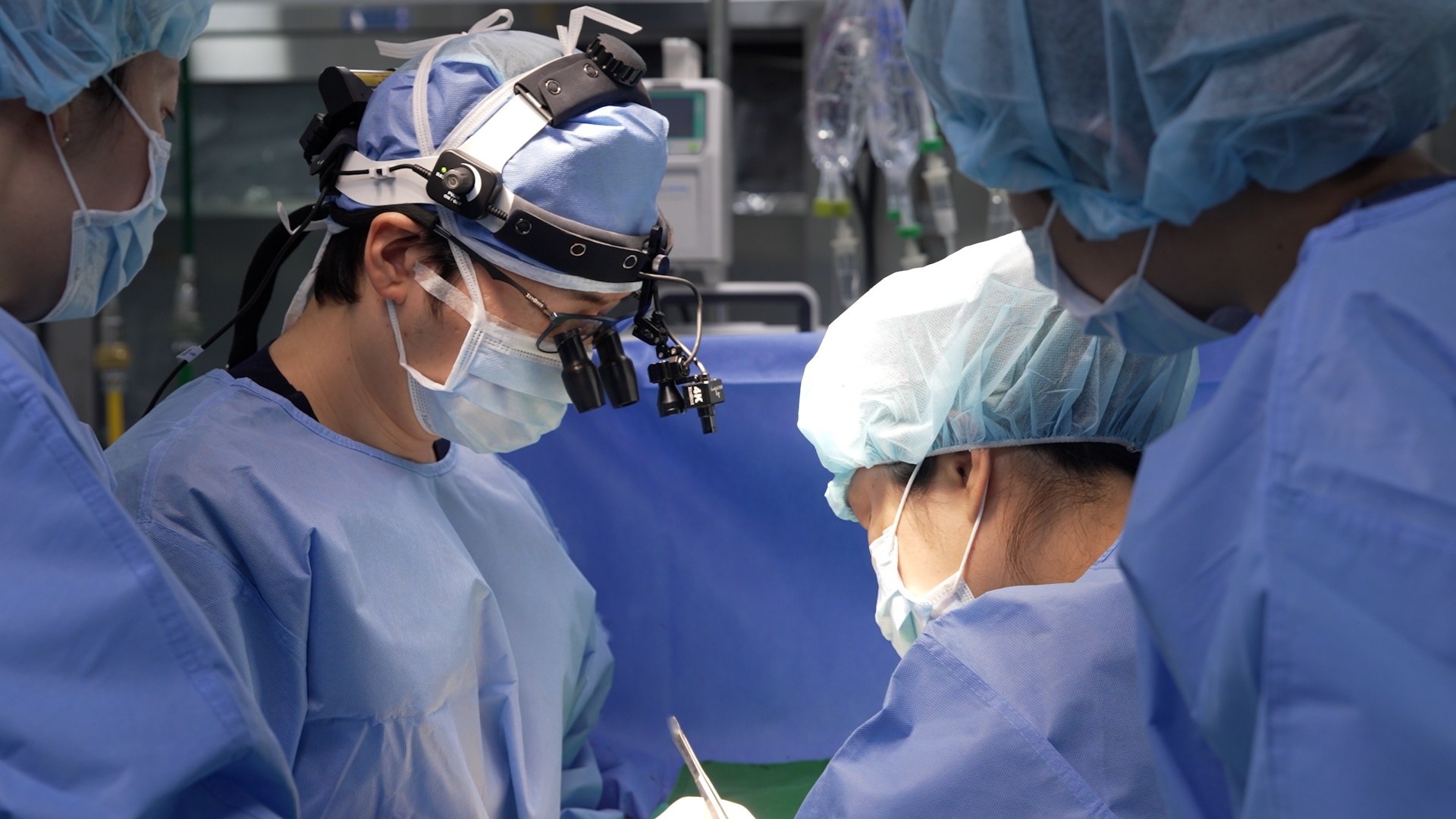
This surgery is more than opening the heart; it demands advanced technique and teamwork. NewHeart performs it through the following process.
Cardiopulmonary bypass
CPB
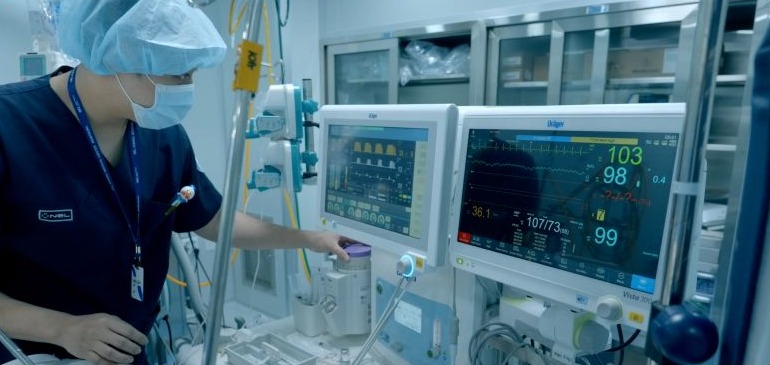
A moving heart cannot be operated on precisely, so the heartbeat is stopped temporarily during surgery. A heart-lung machine takes over the work of the heart and lungs and safely supplies oxygenated blood to the whole body.
At NewHeart a dedicated perfusion team controls the patient's vital signs in real time throughout the operation.
Precise valve repair
With the heart stopped, the surgeon inspects and corrects the valve by direct sight. What matters is not replacing it with an artificial valve, but preserving the patient's own valve as far as possible and restoring its function.
Restarting the heart
Weaning
When the repair is finished the heart is restarted and the heart-lung machine removed. The operation ends once the heart is seen beating strongly on its own and pumping blood to the body with the repaired valve.
Hospital stay
4 days
The length of stay varies widely with the patient's condition before and after surgery. The average is four days.
How the valve is repaired
The surgeon combines the following techniques according to the condition of the heart.
Why not replace the valve with an artificial one?
Valve replacement carries a high risk of complications such as thrombosis and is generally not recommended in dogs.
We therefore perform only valve repair, whose long-term outcome is proven worldwide.
- Annuloplasty
- The stretched rim of the valve (the annulus) is tightened with special sutures so that the leaflets meet.
- Chordal replacement
- Ruptured or stretched chordae are replaced with permanent artificial chordae made of ePTFE, so the valve is held firmly and does not flip back.
- Valvuloplasty
- When the leaflet itself is overstretched or torn, it is sutured or reshaped directly so that it closes without a gap.
Who needs surgery, and when
Not every patient needs surgery, but surgery has a golden time
At a glance
B1
Early, no enlargement · regular monitoring
When surgery is not needed
An early stage in which a murmur is heard but the heart is not enlarged. No treatment is needed at this point; regular monitoring every six months to a year is enough.
B2Golden time
Enlargement progressing · consider surgery
When surgery is needed
The heart is enlarged with clear structural change, a chorda has ruptured, diuretics are needed, or there are clear signs of heart failure such as pulmonary edema or fainting. From here, active treatment (surgery) decides survival and quality of life. In end-stage heart failure that no longer responds to medication, open-heart surgery often needs to be considered.
CGolden time
Heart failure signs · diuretics begin
The safer, more effective time
If the patient has fainted or had breathing difficulty, or has started diuretics to prevent pulmonary edema, the heart has already reached its structural limit. The best time is when the heart is enlarging but the heart muscle has not yet lost its strength: the benefit of surgery is greatest and the risk of complications lowest.
D
End stage · surgical risk rises
When surgery becomes difficult
Many owners think, "We'll try medication and operate if it really doesn't work." But at the end stage, when the heart is exhausted and other organs are damaged, the success rate of surgery inevitably falls.