
Partial myectomyIt widens the outlet blocked by thickened muscle
Open-heart surgery that treats obstructive hypertrophic cardiomyopathy (HOCM) in cats. Why it is needed, who is a candidate, and what the risks are.
Why surgery is needed
Thickened muscle blocks the way blood leaves the heart
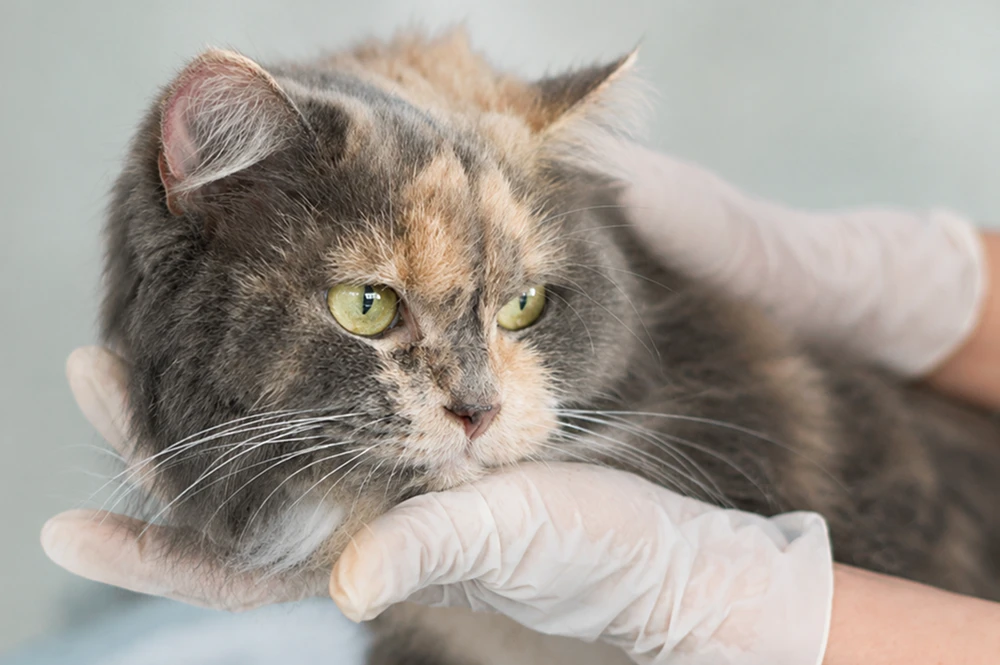
In some cats with hypertrophic cardiomyopathy, the thickened muscle and the motion of the mitral valve narrow the passage through which blood leaves the left ventricle for the aorta. This is called left ventricular outflow tract obstruction (LVOTO). As the obstruction worsens the heart must generate far more pressure to push blood out, and breathing difficulty, reduced stamina or fainting can follow.
Signs you may notice
- Breathing difficulty
- Reduced exercise tolerance
- Fainting
What the surgery does
It widens the blocked outlet. It does not remove the disease itself
In obstructive hypertrophic cardiomyopathy (HOCM), part of the thickened interventricular septum is resected to widen a narrowed left ventricular outflow tract (LVOT). It does not remove hypertrophic cardiomyopathy itself; it relieves the obstruction and the pressure load the disease has caused.
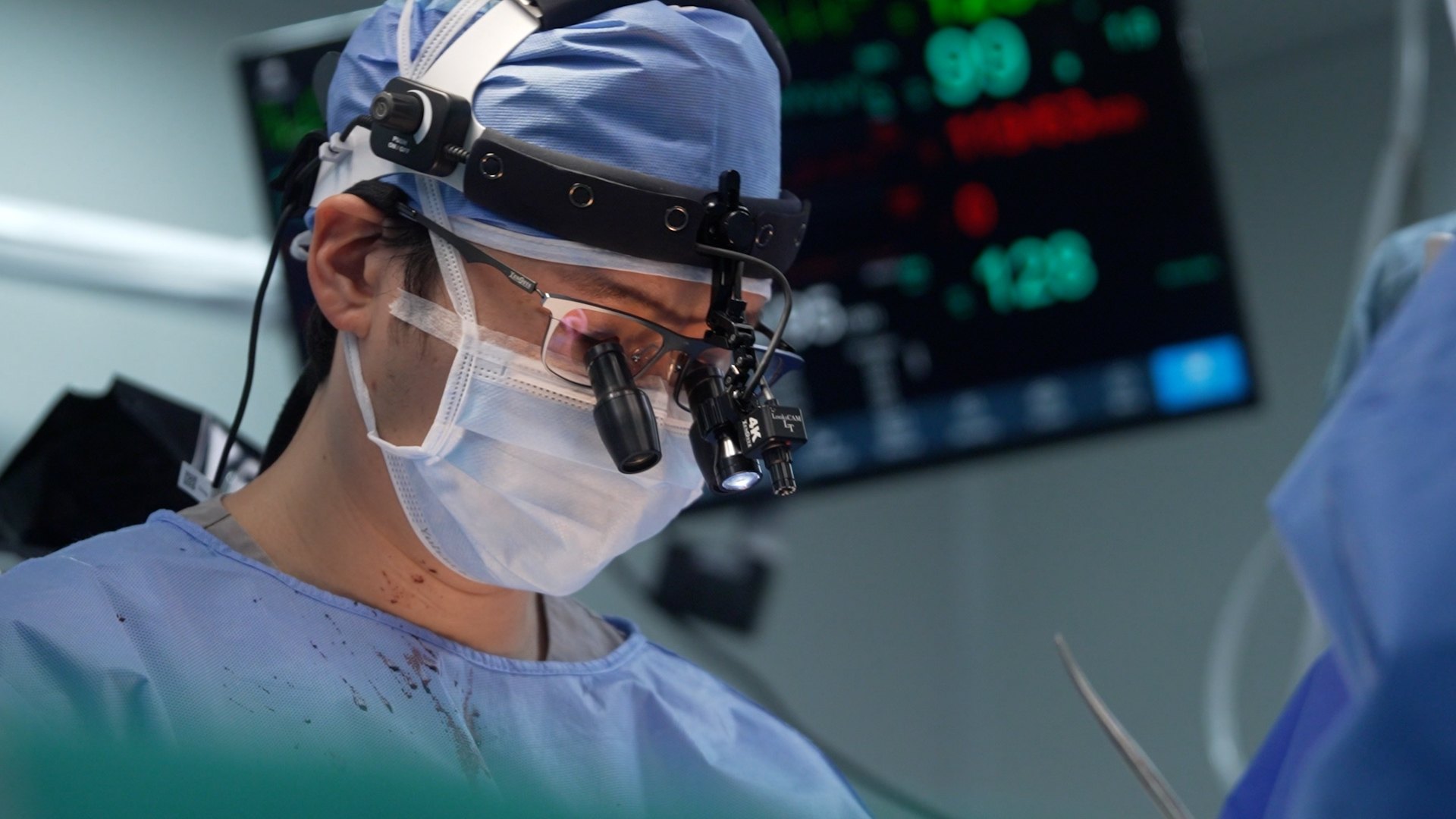
Removes part of the thickened septum.
Opens space in the left ventricular outflow tract.
Lowers the high systolic pressure load on the left ventricle.
The aim is to relieve the outflow obstruction and the hemodynamic load it causes, and through that to improve clinical signs and quality of life.
Hospital stay
5–7 days
Discharge is decided on the pace of recovery, appetite, breathing, blood pressure and echocardiography.
Who is a candidate
Selected patients are candidates
Among cats with obstructive hypertrophic cardiomyopathy, candidates are chosen after detailed echocardiography and a systemic work-up weigh the expected benefit against the risk.
When risk may be higher
- Congestive heart failure, or a history of recurrent pulmonary edema or pleural effusion
- Marked enlargement of the left atrium
- Spontaneous echo contrast or a thrombus inside the heart
- A history of arterial thromboembolism
- Clinically significant arrhythmia
- Reduced left ventricular contractility
- Very severe hypertrophy or a small ventricular cavity, or important systemic disease such as kidney disease
Risks
Surgery in cats carries risks of its own
- Hemodynamic change
- Around anesthesia and bypass, blood pressure may fall, and low output or a temporary drop in myocardial function may occur.
- Arrhythmia and conduction
- Atrial or ventricular arrhythmia, or atrioventricular block, may appear after surgery or bypass.
- Bleeding, anemia, transfusion
- Because cats are small, hemodilution and anemia can occur during bypass, and transfusion may be needed depending on the patient.
- Residual LVOT obstruction
- Depending on the heart's structure and the mechanism of SAM, some outflow obstruction, SAM or mitral regurgitation may remain after surgery.
- Heart failure and thrombus
- Pulmonary edema related to the underlying HCM may occur or worsen, and patients with marked left atrial enlargement and stasis carry a risk of thromboembolism.
- Other serious complications
- Injury to the ventricular septum, acute kidney injury, respiratory complications, cardiac arrest or death can occur.