
Mitral Valve Repair (MVR) in a Dog | Why We Didn't Rush into Surgery: Bibi's Heart Surgery Journey
Why We Didn't Rush into Surgery: Bibi's Mitral Valve Repair (MVR) Journey
뉴하트동물심장수술센터
When heart disease is diagnosed in a dog, is it always better to proceed with surgery as soon as possible?
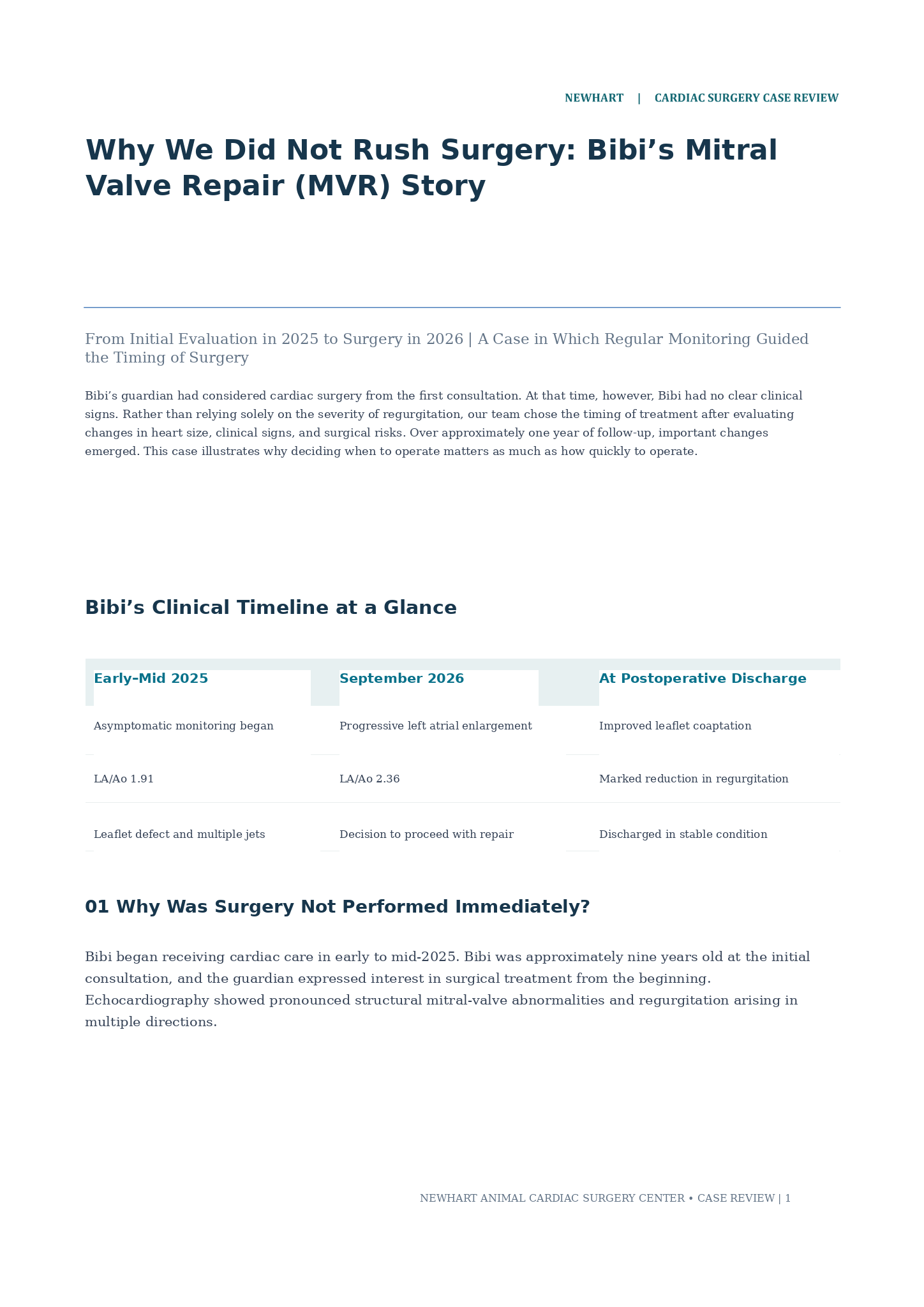
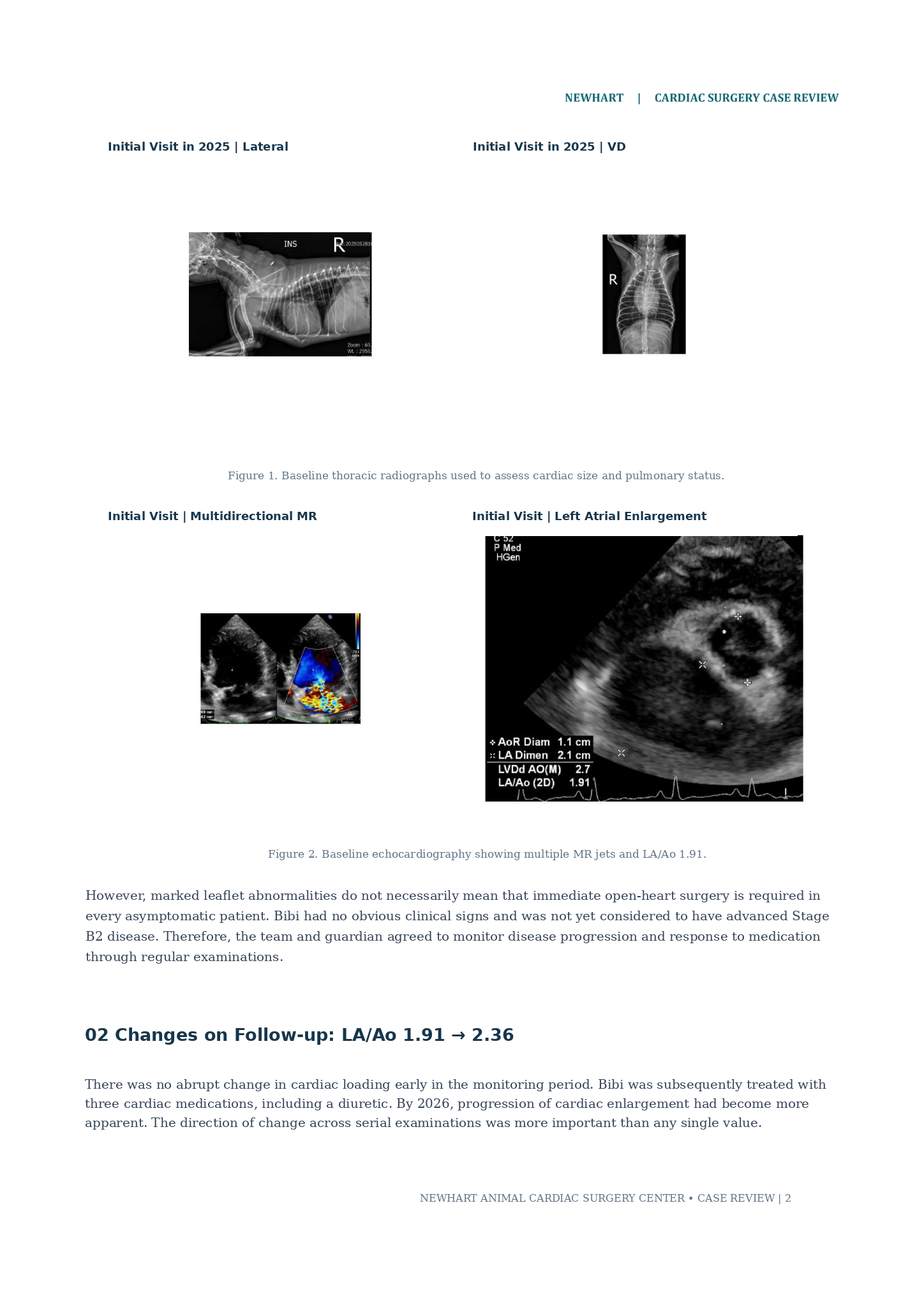
When Bibi first visited us in 2025, echocardiography revealed significant structural abnormalities of the mitral valve and severe mitral regurgitation. However, Bibi showed no obvious clinical signs at that time.
Rather than proceeding with immediate surgery, the veterinary team at NewHeart Animal Cardiac Surgery Center decided to determine the optimal timing for surgical intervention through regular echocardiographic examinations and careful follow-up monitoring.
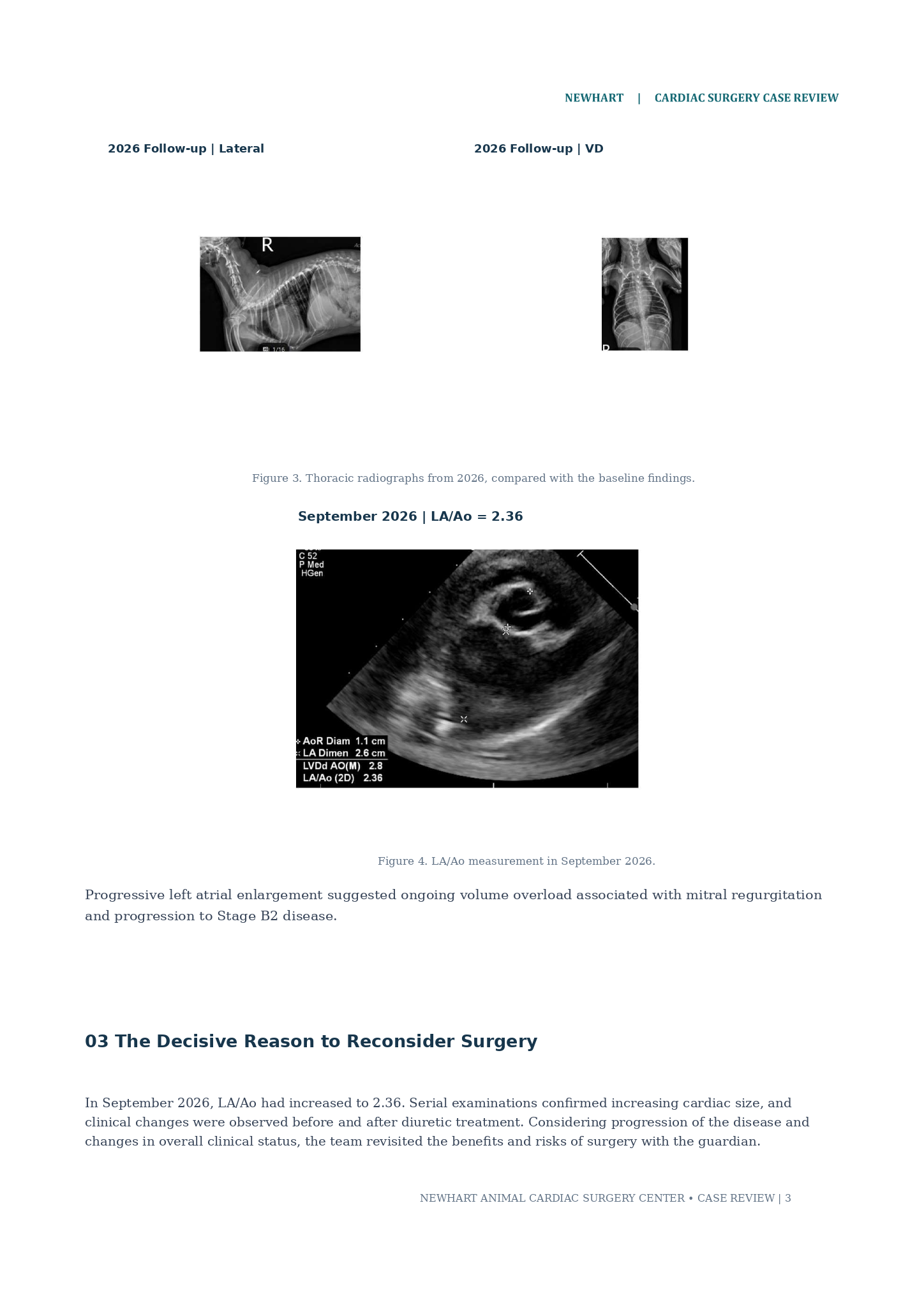
Over approximately one year of observation, Bibi's left atrial-to-aortic root ratio (LA/Ao) increased from 1.91 to 2.36, indicating progressive cardiac enlargement.
After carefully evaluating these changes together with Bibi's overall clinical condition, our team decided to proceed with mitral valve repair (MVR) in September 2026.
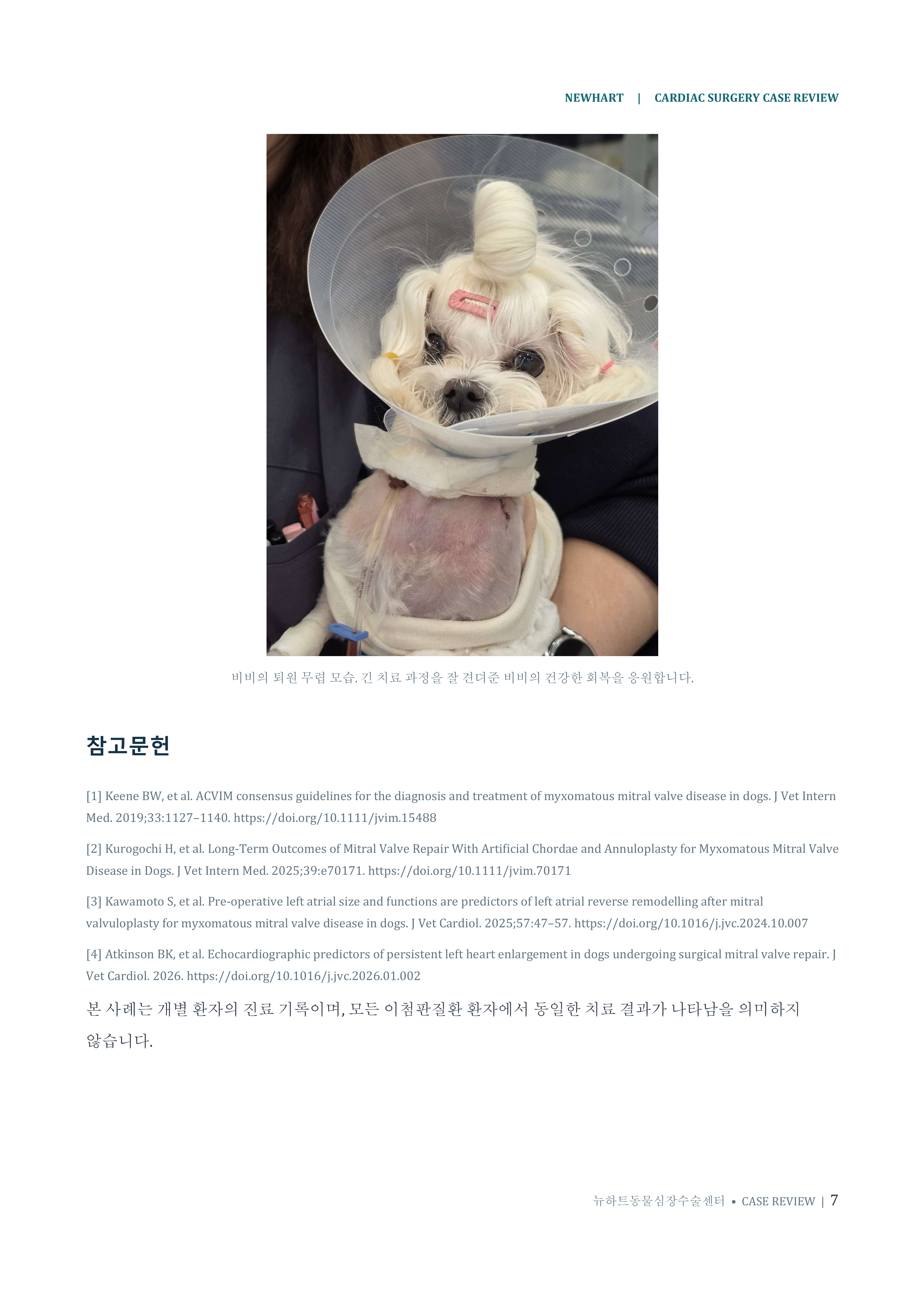
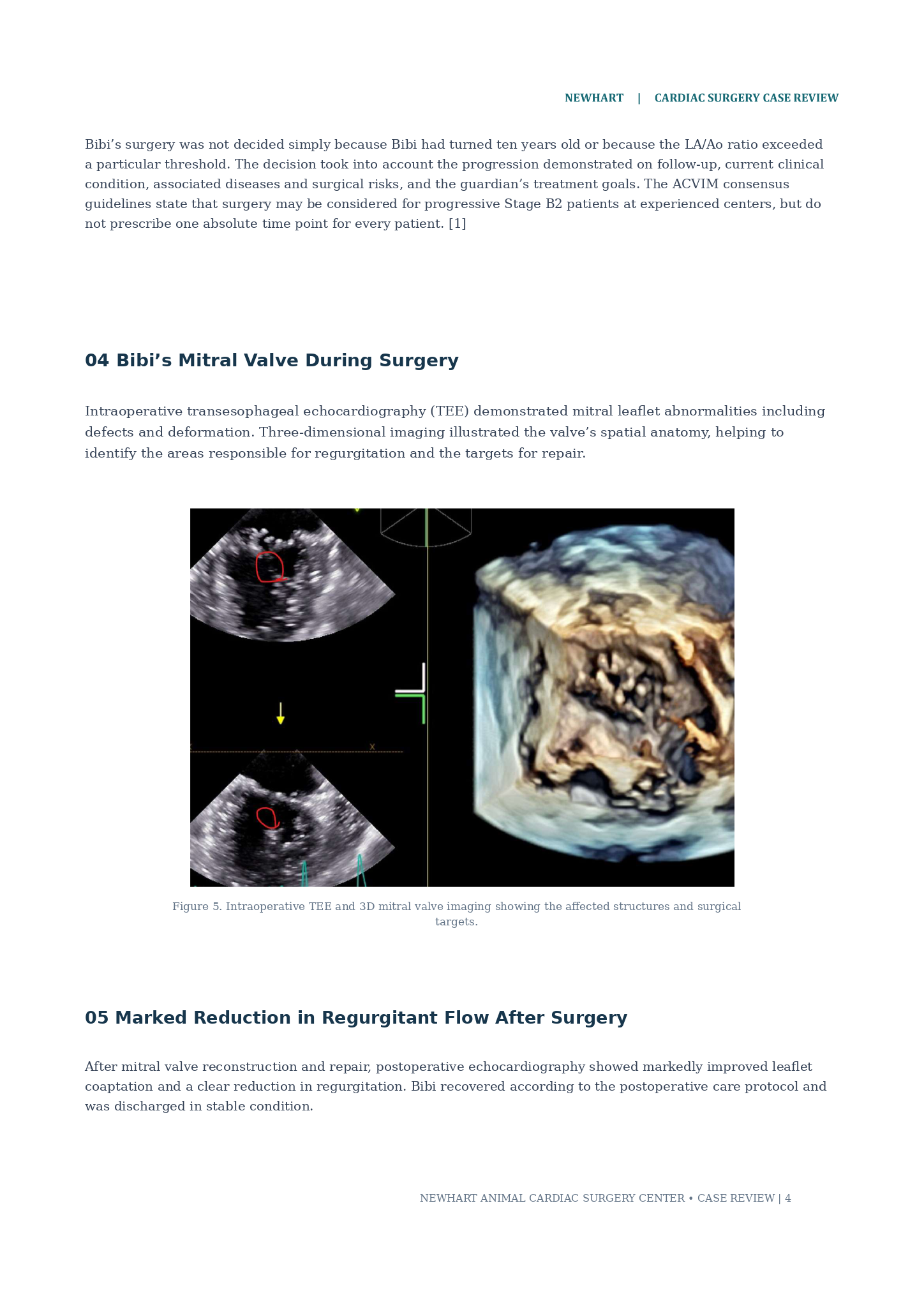
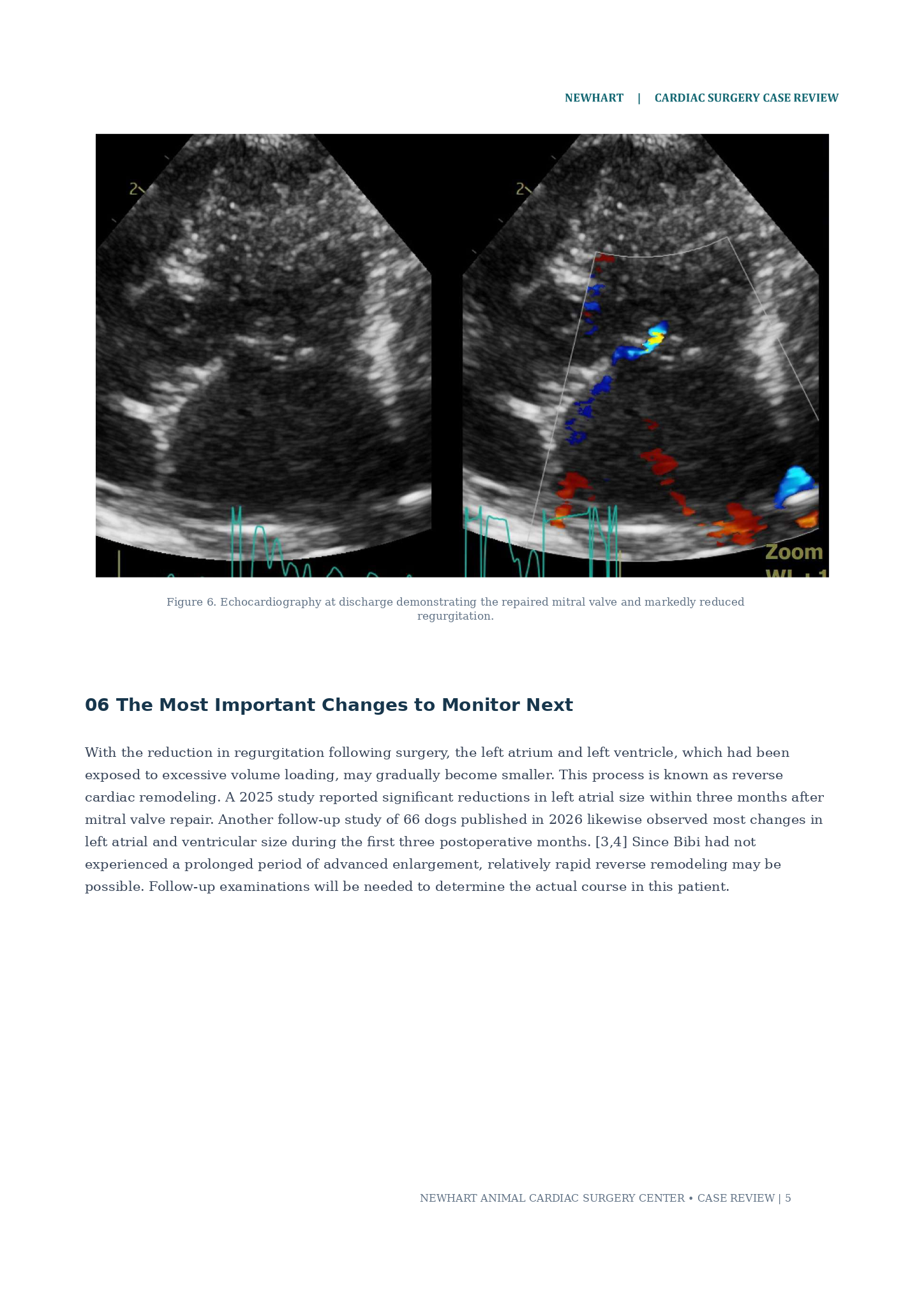
Following surgery, mitral leaflet coaptation improved markedly, and mitral regurgitation was significantly reduced. Bibi recovered well and was discharged in stable condition.
In this case review, we share Bibi's journey from the initial diagnosis and the decision-making process for surgery to the intraoperative mitral valve findings and postoperative improvements, supported by actual diagnostic images.
What matters most is not how quickly surgery is performed, but the clinical evidence used to determine the most appropriate timing for surgical intervention.
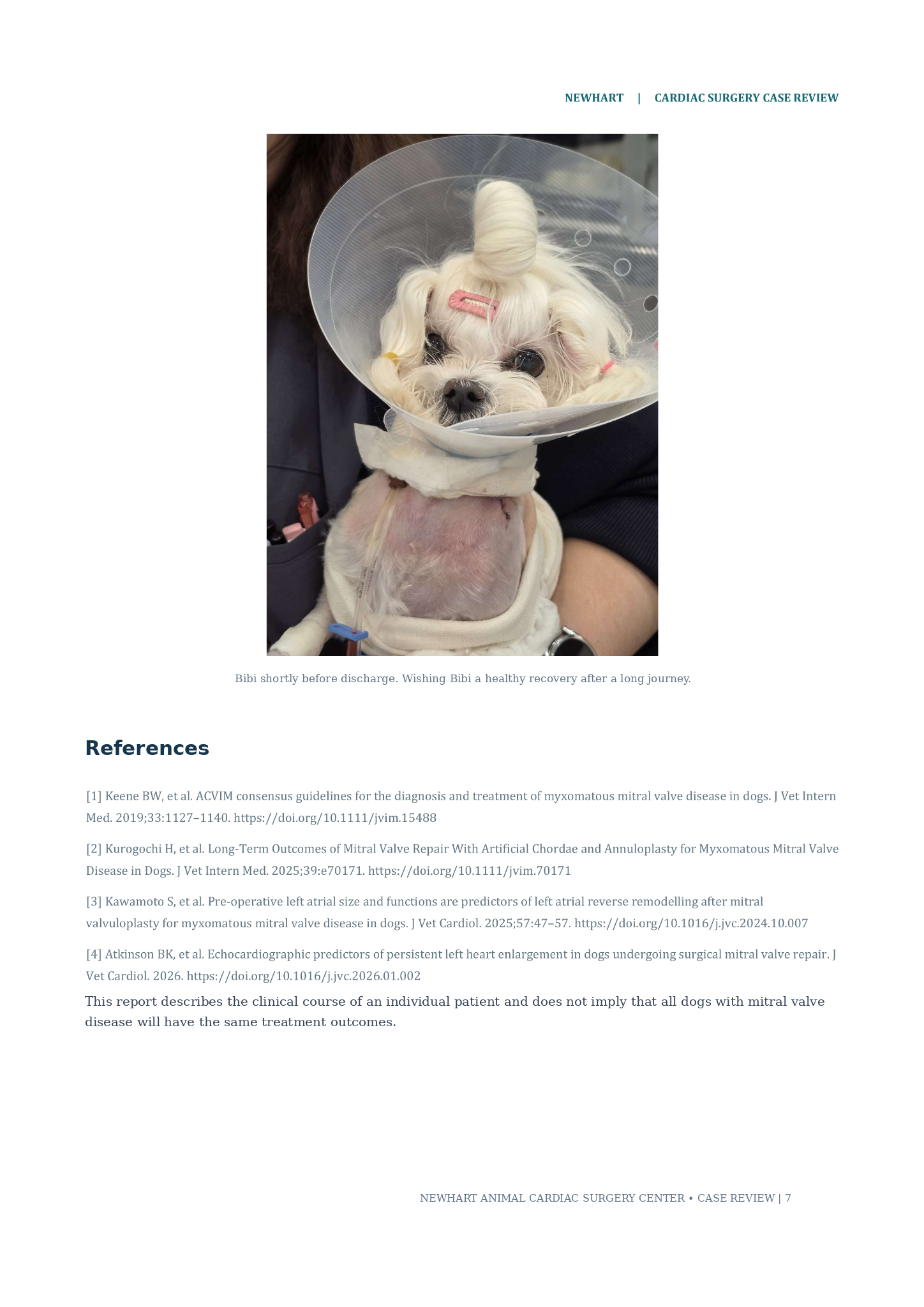
At NewHeart Animal Cardiac Surgery Center, we will continue to closely monitor Bibi's recovery and cardiac changes to support a healthy life after surgery.
This article is general information and does not replace an individual diagnosis or treatment. If you are worried about your pet, please book a visit.